March 18, 2026
Excavating services play a fundamental role in the early stages of construction projects. They are responsible for preparing the site to ensure structures can be erected safely and efficiently. Without effective excavation, construction projects could face delays and cost overruns. Excavation involves more than just moving earth; it includes site evaluation, planning, preparation, and ensuring that essential groundwork requirements are met. If you want to learn more about how excavating services can prepare a site for success, here are a few things to keep in mind about the process.
Site Evaluation and Planning
The initial site assessment is a critical step that involves evaluating the physical and regulatory characteristics of the site. Excavating services assess the current condition of the land, including soil type, elevation, and existing vegetation. This assessment helps to identify any potential challenges or hazards that might impact the excavation process. Furthermore, it guides the formulation of a comprehensive site plan, ensuring the project adheres to any regulatory requirements. Without this step, unforeseen issues might emerge, leading to increased costs and delays.
Understanding site conditions allows excavating services to forecast challenges such as water drainage, soil stability, and the presence of underground utilities. During the site assessment, excavation professionals use specialized tools and techniques to gather data about the site's topography. This data collection phase is vital as it sets the foundation for the subsequent planning and execution of the excavation work. Additionally, the assessment provides an opportunity for excavators to check compliance with local zoning laws and environmental regulations. Harnessing this information, contractors can develop tailored strategies to overcome site-specific challenges.
The initial assessment also considers the logistical aspects of the excavation process, such as access roads, material storage areas, and site layout. These factors contribute to the efficiency and safety of the work site, minimizing the risk of accidents and equipment damage. Importantly, the initial evaluation helps contractors to project resource requirements and budget accurately. According to IBISWorld, purchases, which include the procurement of materials and equipment, typically make up about 36% of the costs of an excavation contractor. With a thorough understanding of the site, excavating services can ensure optimal resource allocation and cost management.
Surveying and mapping are integral components of site evaluation that entail creating detailed maps and models of the project area. These tasks involve using advanced technologies such as aerial and satellite imagery, geographic information systems (GIS), and laser scanning. This technology makes it possible to generate accurate, three-dimensional representations of the land's contours and features. Precise mapping is crucial for planning excavation activities, as it enables engineers to visualize the project's impact on the site and plan accordingly. This precision helps in anticipating potential obstacles, ensuring that the project proceeds smoothly.
Surveying involves pinpointing the exact coordinates and dimensions of the area to be excavated. It allows for the identification of critical benchmarks, which serve as reference points throughout the excavation process. Proper surveying helps ensure compliance with local construction codes and regulations, as it provides accurate documentation of the site's condition and layout. Additionally, it aids in the planning of drainage systems, foundation depth, and construction access routes. By delivering precise data, surveying assists in preventing costly errors and rework during construction.
Site Clearing and Preparation
Vegetation removal is a critical step in the site-clearing process, as it ensures a clear area for construction activities. This process involves the systematic removal of all types of plant life, from grasses and shrubs to large trees. Specialized equipment like bulldozers and excavators fitted with grapple attachments are commonly used for efficient clearing. The goal is to minimize disruption to the surrounding environment while securing a safe and clutter-free site. Careful planning of vegetation removal respects local environmental regulations and community aesthetics while preparing the site for subsequent construction phases.
Excavating services must also consider the potential effects of vegetation removal on soil stability and erosion. By planning the sequence and timing of these activities, contractors can minimize the risk of soil disturbance and degradation. Additionally, unwanted vegetation is often recycled or disposed of in eco-friendly ways, aligning with broader sustainability initiatives. This level of forethought ensures that the site remains stable and ready for further development. Moreover, these practices affirm the commitment of excavating services to responsible and environmentally conscious site preparation.
Excavation teams frequently coordinate with ecological specialists to ensure that important natural elements, such as significant tree species, are either preserved or mitigated responsibly. Special permits may be required to remove certain types of vegetation, reinforcing the need for meticulous planning and regulatory compliance. By addressing these considerations, contractors not only make the site ready for construction but also contribute to broader environmental conservation efforts. Successfully managing vegetation removal results in efficient site preparation while supporting the sustainable goals of the project and the surrounding landscape.
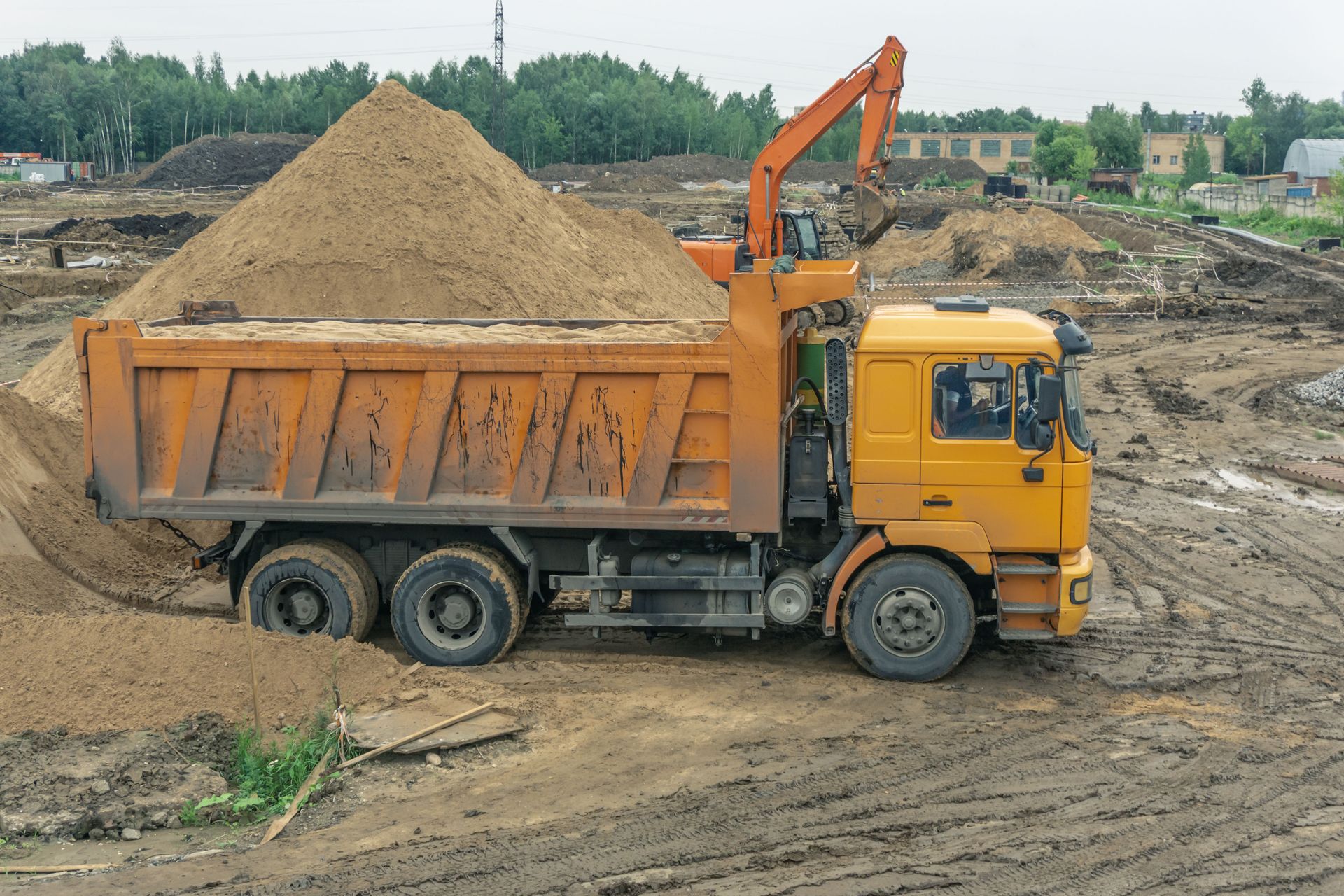
Debris and obstacle clearance is another fundamental stage in preparing a construction site. This step involves the removal of unwanted materials such as rocks, old structures, and other obstructions that could impede progress. Using a combination of manual labor and heavy machinery like bulldozers and front-loaders, excavation teams clear the site of all debris. Effective obstacle clearance is essential to create a uniform and suitable surface for construction, preventing subsequent delays and issues.
In specific cases, debris removal may require specialized equipment and techniques. For example, removing underground obstacles such as abandoned utilities or foundations demands experienced operators and suitable machinery. Moreover, some materials may pose environmental hazards and must be handled with particular care, adhering to regulatory requirements for safe disposal. These considerations highlight the importance of employing skilled personnel and following best practices during the clearance process.
Site Excavation and Useful Techniques
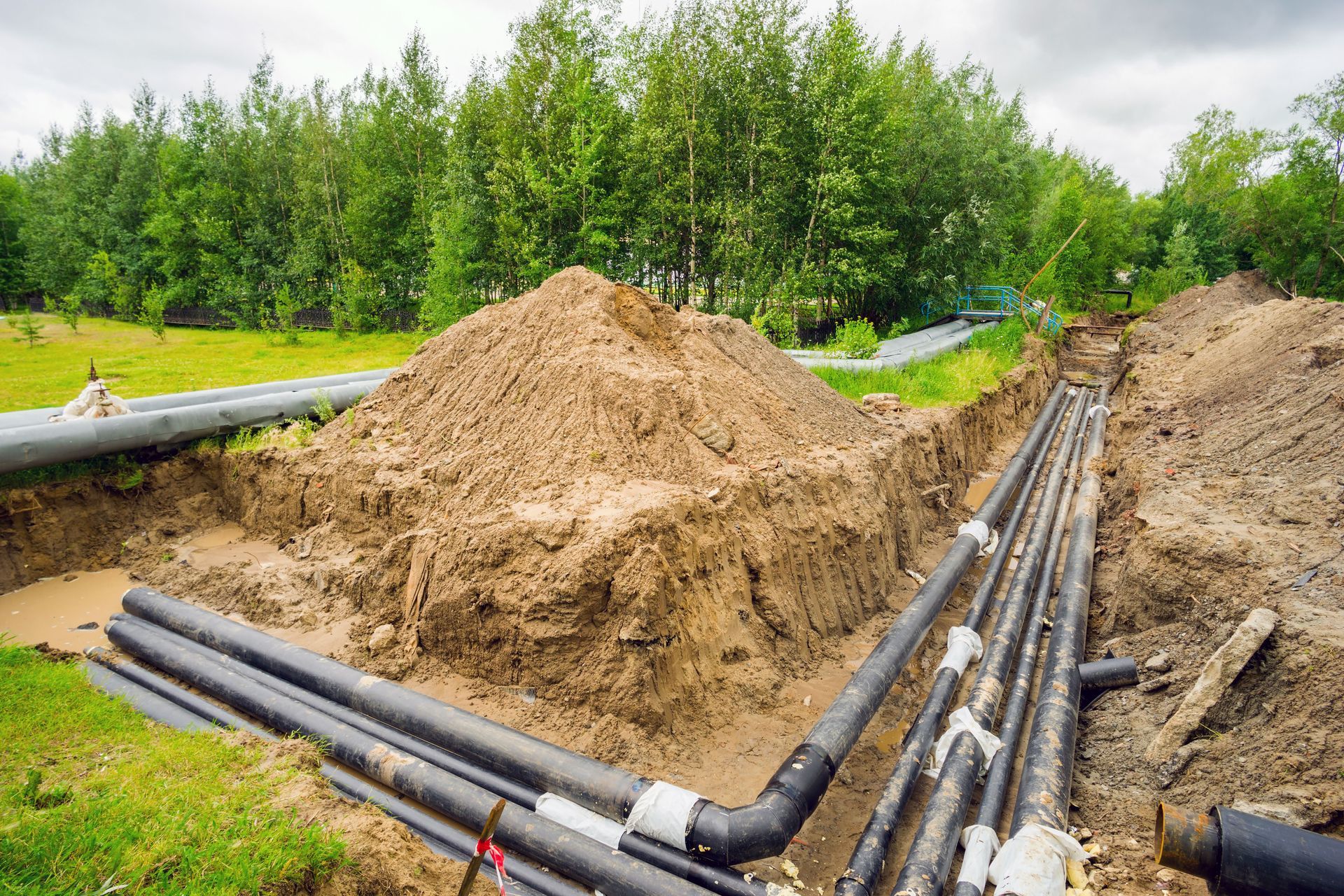
Trenching and digging are fundamental excavation techniques used to prepare a site for various construction projects, including foundations, utility lines, and drainage systems. Different methods are employed depending on the project's specific requirements and site conditions. For instance, open trenching is commonly used for laying pipelines, while closed techniques like directional boring might be selected to minimize surface disruption. The choice of method is influenced by factors such as soil type, environmental considerations, and the complexity of the project. Each technique provides unique advantages, allowing contractors to tailor their approach to meet project demands effectively.
Excavators often rely on heavy machinery like backhoes, excavators, and trenchers to perform trenching and digging tasks. These machines offer precision and efficiency, significantly reducing the time and labor required compared to manual methods. Operators of such machinery undergo specialized training to ensure safe and optimal performance during excavation activities. Furthermore, advancements in technology, such as GPS-guided digging systems, allow for even greater accuracy and efficiency in trenching and digging operations.
Excavation contractors must also implement safety measures to protect workers during trenching and digging activities. Practices include ensuring proper trench supports, regularly inspecting equipment, and maintaining clear communication pathways on-site. Adhering to these safety protocols minimizes the potential risks associated with excavation activities, ensuring a secure work environment. Through meticulous planning and execution of trenching and digging methods, excavation services can deliver precise and high-quality results that contribute to the overall success of construction projects. Effective implementation of these techniques lays the groundwork for reliable and efficient infrastructure development.
Proper site preparation is the foundation of any successful construction project. From clearing and grading to creating stable ground for building, professional
excavating services ensure that every step begins with precision and care. When the groundwork is done correctly, it helps prevent future structural issues and keeps projects moving forward on schedule.
If you are planning a new build or land improvement project, contact Hill Sand & Gravel Inc today to learn how our experienced team can help. We are ready to provide dependable excavating solutions that set your project up for long term success.