June 13, 2026
Choosing the right material for a driveway is crucial for homeowners aiming to boost curb appeal while ensuring practicality. Gravel driveways come with various advantages, making them a highly favorable option for many residential properties. This article delves into the distinct benefits of durable gravel driveways, from cost-effectiveness to environmental sustainability. By understanding these perks, you can make an informed decision for your property's exterior layout.
1. Cost-Effectiveness
1.1 Initial Installation Costs
Gravel driveways are notably pocket-friendly when compared to materials like asphalt or concrete. The initial costs involve purchasing gravel, which is relatively inexpensive and accessible for most homeowners. Installation can often be a DIY project, reducing labor expenses significantly. For homeowners preferring professional installation, gravel remains cheaper due to less intensive preparatory work.
1.2 Long-Term Maintenance Savings
Beyond initial installation, gravel driveways offer economic advantages through lower long-term maintenance needs. While asphalt surfaces require consistent upkeep to prevent degradation, maintaining gravel primarily involves periodic re-leveling. According to Forbes, your driveway should be sealed every two to five years. This rule applies heavily to traditional paved surfaces, but gravel eliminates the need for expensive sealing products.
1.3 Affordable Repair Options
Repairing a gravel driveway is straightforward and economical for any household budget. Common issues like ruts or potholes are easily addressed without specialized heavy equipment, reducing repair costs significantly. Unlike concrete or asphalt, where damage requires extensive re-paving, gravel repairs merely involve redistributing or adding more material. This budget-friendly repair process ensures that gravel driveways remain a viable, low-stress option for years to come.
1.4 Cost Comparison with Other Driveway Materials
In direct comparison, gravel often emerges as the least expensive driveway material option on the market. Asphalt and concrete demand higher initial expenditures due to raw materials and intensive labor requirements. While their sleek finishes might seem attractive at first, these surfaces require ongoing financial investments over time. On the other hand, choosing gravel driveways is a smart one-time investment with occasional, inexpensive upkeep.
2. Aesthetic Versatility
2.1 Variety of Gravel Types and Colors
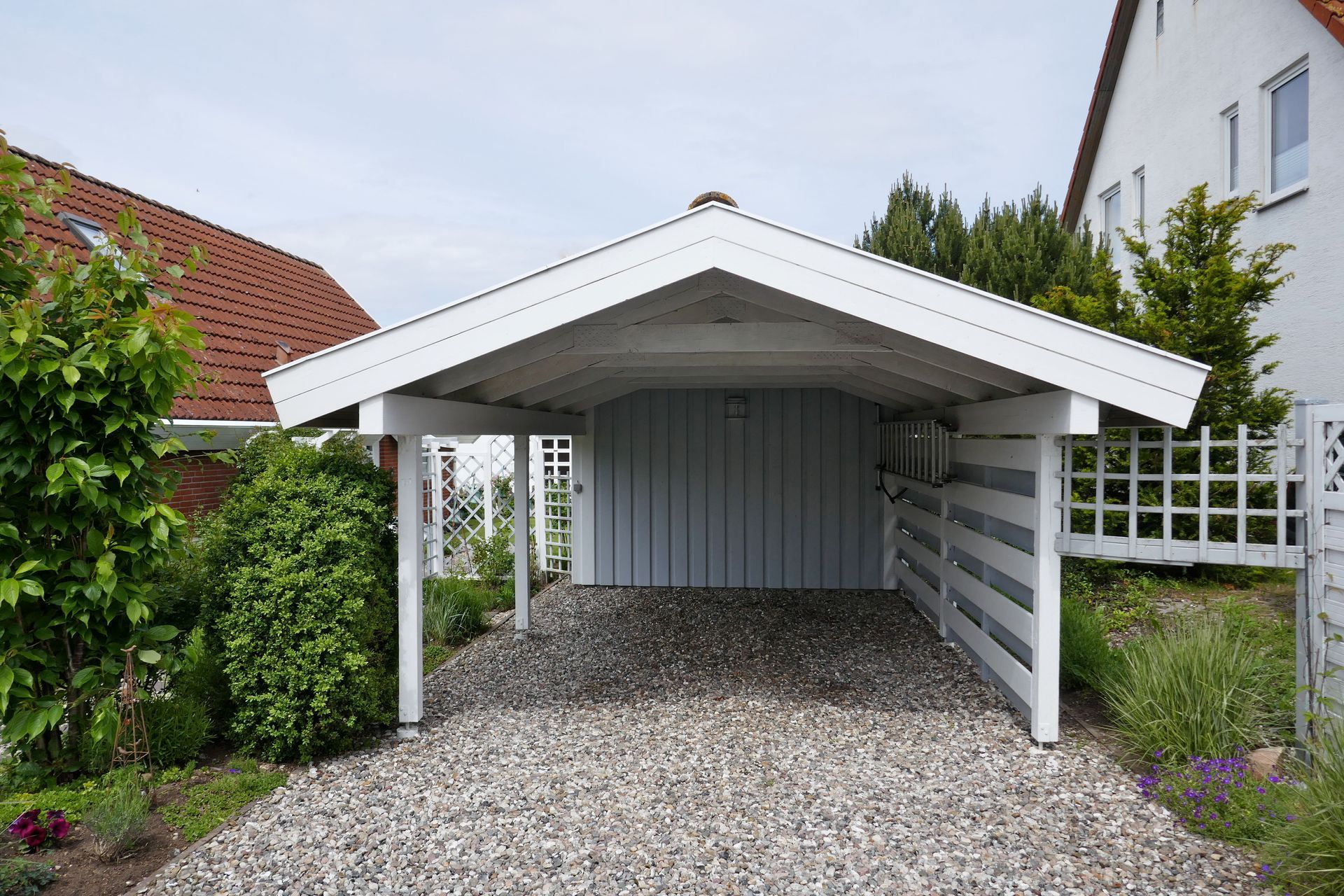
Gravel driveways offer unmatched aesthetic versatility thanks to an extensive variety of stone types and hues. Homeowners can select stones that complement their home's exterior paint, adding to the property's overall appeal. Whether opting for warm neutral tones or more vibrant colors, gravel can enhance any home design. This wide range ensures that homeowners can achieve a personalized style to match their unique tastes.
2.2 Customizable Design Options
Beyond color, gravel driveways provide customizable design options to suit individual architectural visions. Homeowners can shape these surfaces to fit complex spaces creatively, incorporating curves or designs that aren't feasible with rigid materials. Additional features, like stone borders or mixed materials, can be added for a premium look. This adaptability allows gravel driveways to complement diverse architectural styles and landscapes seamlessly.
2.3 Enhancing Curb Appeal
A well-designed gravel driveway can significantly enhance the curb appeal of any rural or suburban property. The textured surface creates a welcoming entrance, making a strong first impression on visitors and potential buyers. Gravel's natural appearance often blends seamlessly with surrounding landscaping, fostering a cohesive exterior aesthetic. The driveway effectively becomes a beautiful extension of the home's primary design.
3. Environmental Benefits
3.1 Sustainable Material Selection
Gravel is a sustainably sourced material, making it an environmentally friendly choice for modern driveways. The production process is less intensive than that of concrete or asphalt, resulting in reduced emissions and energy consumption. Additionally, gravel is often locally sourced, cutting down on the environmental impact associated with long-distance transport. When choosing gravel driveways aligns perfectly with a commitment to environmental stewardship and sustainable building practices.
3.2 Permeability and Water Drainage
One of the standout environmental benefits of gravel driveways is their excellent permeability, which aids in water drainage. Unlike impermeable surfaces such as concrete, gravel allows rainwater to seep naturally back into the ground. This feature reduces stormwater runoff and prevents potential waterlogging issues around the home's foundation. Effective drainage is crucial for maintaining soil health and local water balances.
3.3 Reducing Urban Heat Island Effect
The natural color and texture of gravel work to reduce the urban heat island effect, a common problem in paved residential areas. Gravel surfaces do not retain intense solar heat as much as black asphalt or concrete, helping to keep surrounding areas cooler. This characteristic makes gravel an excellent option for driveways, particularly in regions with hot summer climates. By minimizing surface heat, gravel driveways contribute to a more comfortable residential environment.
4. Durability and Longevity
4.1 Resistance to Weather Extremes
Gravel driveways are resilient to various weather extremes, making them a durable choice for diverse climates. They remain intact under heavy rain or snow, where other materials might crack, shift, or buckle. This adaptability to weather variations ensures the longevity of gravel surfaces without requiring intensive winter maintenance. Despite fluctuating temperatures, gravel stays completely functional, providing reliable access to the property year-round.
4.2 Longevity and Ground Flexibility
When properly maintained, gravel driveways exhibit remarkable longevity relative to asphalt and concrete alternatives. Traditional materials require sealing and periodic resurfacing to combat everyday wear and tear. In contrast, gravel's natural flexibility allows it to adapt to minor ground shifts without suffering structural damage. This adaptability is particularly beneficial in areas with intense freeze-thaw cycles that break rigid surfaces apart.
4.3 Minimal Risk of Cracking
Gravel driveways present a minimal risk of developing unsightly cracks that common paved surfaces face. The loose aggregation of stones allows the surface to move slightly under heavy loads without becoming permanently damaged. Should depressions form over time, a simple re-leveling process can quickly restore the driveway to its original state. For homeowners looking to minimize maintenance headaches, gravel is an excellent choice.
5. Maintenance and Upkeep
5.1 Simple Maintenance Procedures
Maintaining a gravel driveway involves straightforward procedures that can be done with absolute ease. Regular raking and occasional redistribution of gravel keep the surface even, functional, and visually appealing. Unlike asphalt, which requires extensive sealing every few years, gravel demands only basic upkeep to remain effective. Seasonally adding new gravel ensures continuity in both appearance and performance over time.
5.2 Repairing Wear and Tear
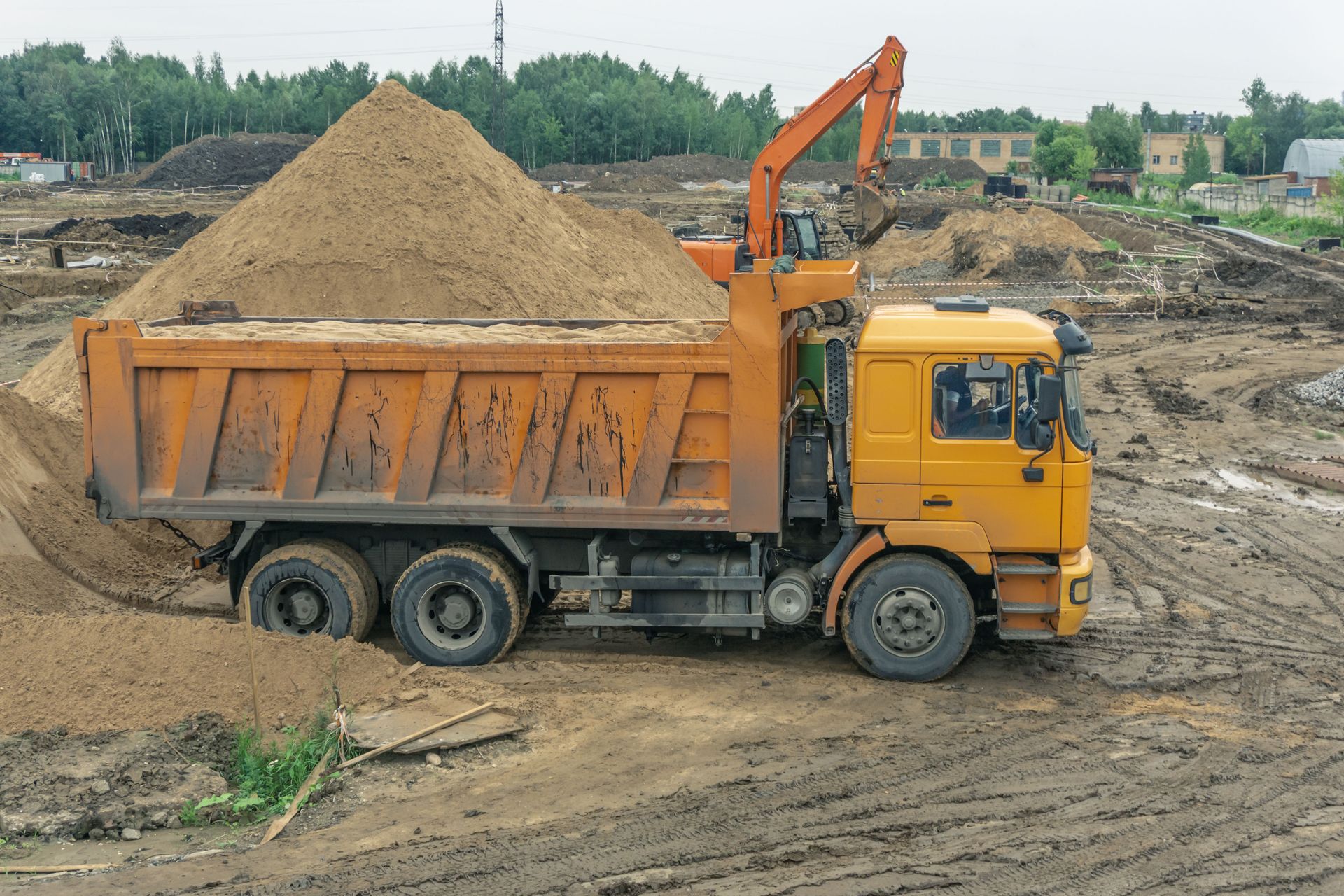
Addressing wear and tear on gravel driveways is a simple process requiring minimal physical effort. Homeowners can easily fill in small depressions or ruts with additional gravel, requiring no special construction skills. Repairing such minor issues does not involve complicated equipment, thus keeping your ongoing costs low. For major repairs, bulk gravel delivery is affordable and accessible from local suppliers.
5.3 Tools and Preventative Strategies
The maintenance of gravel driveways requires minimal tools and equipment compared to other surfaces. Basic tools like rakes, shovels, and garden rollers are often sufficient for routine upkeep. Implementing proper drainage systems ensures water is effectively managed, minimizing erosion risks over time. Routine inspections and immediate repairs of minor issues avert larger, costlier repairs down the line.
In conclusion, gravel driveways offer a myriad of benefits that enhance the functionality, aesthetics, and sustainability of residential properties. From their cost-effectiveness and environmental advantages to durability and ease of maintenance, gravel driveways exemplify a practical solution for homeowners. By investing in a gravel driveway, homeowners can enjoy a reliable, attractive, and long-lasting option that supports their property's overall value and appeal.